

Artykuł: The Sacred Gifts of the Three Magi: Frankincense, Myrrh, and Gold
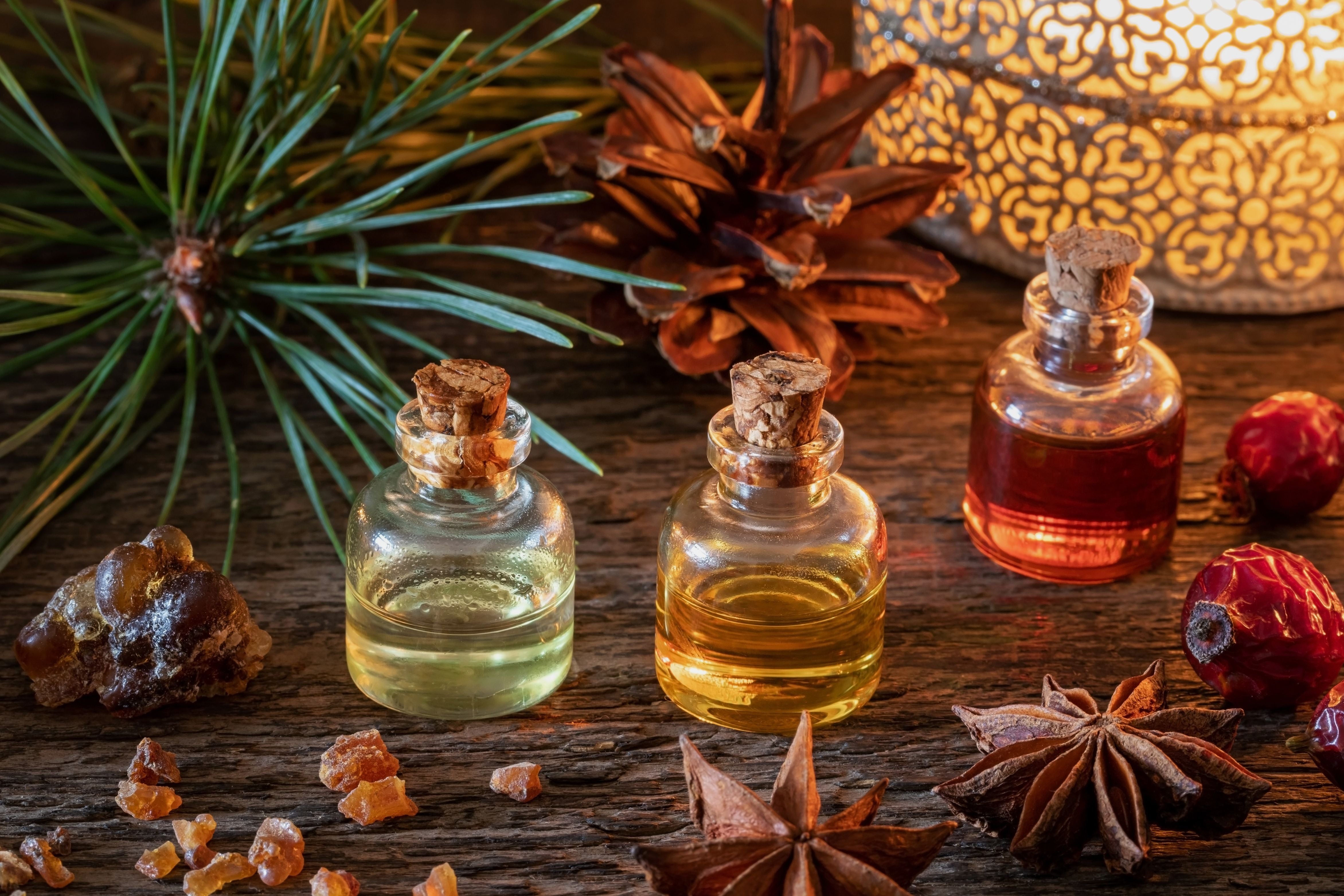
The Sacred Gifts of the Three Magi: Frankincense, Myrrh, and Gold
Post 012
The story of the three wise men bearing gifts of gold, frankincense, and myrrh is one of the most enduring narratives of the holiday season. But beyond their symbolic significance in the biblical account, two of these ancient gifts—frankincense and myrrh—have been treasured for millennia as powerful essential oils with remarkable properties for body, mind, and spirit.
The Ancient Wisdom of Sacred Resins
Long before the Magi's journey, frankincense and myrrh were among the most precious commodities in the ancient world. These aromatic resins, harvested from trees in the Arabian Peninsula and northeastern Africa, were worth their weight in gold—literally. Ancient Egyptians used frankincense in temple rituals and myrrh in the embalming process, while Greek soldiers carried vials of myrrh oil to clean and treat battle wounds. Frank incense was traded as far as China by 1000 BC, forming the foundation of the ancient Incense Road trade routes.
These resins were used in sacred ceremonies, royal courts, and healing practices across civilizations from Egypt to Mesopotamia. These same three items—gold, frankincense, and myrrh—were among the gifts that King Seleucus II Callinicus offered to the god Apollo at the temple in Miletus in 243 B.C.E., standard gifts to honor a king or deity in the ancient world. While gold represented earthly kingship, frankincense and myrrh pointed to the divine and the eternal. Today, we can still harness the wisdom of these ancient essences through their essential oils.
Frankincense: The Oil of Truth and Spiritual Connection
Boswellia sacra, the tree from which frankincense is harvested, produces a resin that has been called "liquid gold" by aromatherapists. When steam-distilled into essential oil, frankincense offers a warm, woody, slightly spicy aroma that immediately grounds and centers.
Benefits of Frankincense Essential Oil:
For the Mind: This oil is renowned for supporting meditation and contemplative practices. Research has shown that compounds in frankincense, such as incensole acetate, have the ability to activate ion channels in the brain to help alleviate anxiety or depression (Moussaieff et al., 2008). Studies in rats have found that this essential oil significantly reduced levels of corticosterone, a key stress hormone (Okano et al., 2019). Its aroma helps quiet mental chatter, reduce anxious feelings, and promote a sense of peace and spiritual awareness. Many find it helpful for deepening breathing practices and enhancing focus during prayer or reflection.
For the Skin: This ancient oil is prized in skincare for its ability to support skin health and reduce the appearance of aging. Research has found evidence suggesting that frankincense oil may protect against aging related to ultraviolet radiation (Kotb et al., 2023). A study examining it's effects on human dermal fibroblasts showed that the oil significantly inhibited the production of certain inflammatory markers related to tissue remodeling (Ni et al., 2012). It's gentle enough for most skin types and can help with skin imperfections, scars, and maintaining a youthful glow.
For the Body: It has traditionally been used to support healthy inflammatory responses, with studies showing it has anti-inflammatory and analgesic effects. Research indicates that frankincense may help with osteoarthritis pain, with one study showing that participants who took Boswellia extract for 120 days experienced reduced inflammation, joint pain, and stiffness without serious side effects (Sengupta et al., 2008). When diluted and applied topically, it may help soothe occasional muscle discomfort.
Myrrh: The Oil of Healing and Protection
Commiphora myrrha produces myrrh resin, which yields an essential oil with a warm, slightly medicinal, earthy aroma. Throughout history, myrrh has been associated with healing, purification, and protection, used in traditional medicine across multiple cultures.
Benefits of Myrrh Essential Oil:
For Emotional Wellness: Myrrh is often used to support emotional healing and release. The oil contains sesquiterpenes, which affect the hypothalamus, amygdala, and pituitary gland, all of which influence emotions. Its grounding properties help create feelings of security and can be particularly nurturing during times of grief or transition. It's known as an oil that helps connect us to our inner strength.
For Oral Health: One of myrrh's most celebrated traditional uses is for supporting gum and oral health. A randomized controlled trial found that patients using a myrrh mouthwash after tooth extraction experienced less edema and tenderness around the socket compared to those using saline (Eid, 2021). Another study showed that using a mouthwash containing myrrh helped reduce oral sores and pain in more than 80% of patients. A drop added to toothpaste or diluted in water as a mouth rinse has been used for centuries to support healthy gums and fresh breath.
For Skin Support: Like frankincense, myrrh is excellent for skin health. Research published in 2022 found evidence for myrrh having cytotoxic activity against cancer cells and anti-inflammatory wound-healing properties (Albalawi et al., 2022). A 2010 study discovered that topical application of myrrh oil helped elevate white blood cells around skin wounds, leading to faster healing (Walsh et al., 2010). Research has also shown that myrrh demonstrates effective antibacterial effects, with studies showing it can eliminate significant percentages of harmful bacteria. Its protective qualities make it useful in salves and healing balms.
For Pain Relief: Studies suggest that certain myrrh oil extracts can significantly reduce pain from headaches, sore muscles, and sore backs. One 2017 study found that participants suffering from tension headaches saw pain levels reduce by around two-thirds after using the oil (Germano et al., 2017). The compound furanodiene found in myrrh appears to help reduce pain significantly.
Gold: The Carrier of Healing
While we can't use gold as an essential oil, the third gift reminds us of the importance of quality and purity. In aromatherapy, "gold standard" carrier oils like jojoba, coconut, or sweet almond oil are essential for safely diluting and applying essential oils to the skin.
Ways to Use These Sacred Oils
Morning Meditation Blend: Add 2 drops of frankincense to a diffuser to create a peaceful atmosphere for your morning practice.
Skin-Nourishing Serum: Combine 2 drops of frankincense and 1 drop of myrrh with 1 tablespoon of jojoba oil for a luxurious facial serum.
Grounding Ritual: Before bed, apply diluted myrrh to the soles of your feet to promote feelings of security and peaceful rest.
Sacred Space Spray: Mix 10 drops of frankincense, 5 drops of myrrh, and 2 ounces of water in a spray bottle to cleanse and elevate the energy of any space.
A Gift That Keeps Giving
The Magi's gifts were not random—they were chosen with intention and wisdom. Thousands of years later, frankincense and myrrh continue to offer their gifts of healing, spiritual connection, and well-being. As we navigate our modern lives, these ancient essences remind us to slow down, breathe deeply, and connect with something greater than ourselves.
This season and beyond, consider incorporating these sacred oils into your self-care ritual. You'll be joining a tradition that spans millennia and touches something timeless within the human spirit.
Safety Note: Essential oils are highly concentrated and should always be diluted before topical application. Consult with a healthcare provider before using essential oils if you are pregnant, nursing, or have any health conditions. Do not ingest essential oils.





Zostaw komentarz